
From Design History to Design Practice
Design History as Research and Contemporary Practice
A semester-long Graphic Design I capstone project connecting design history, research, experimental typography, book design, prototyping and self-promotion.
Developed and directed by John Battista De Santis • Pratt Institute • 2018–Present
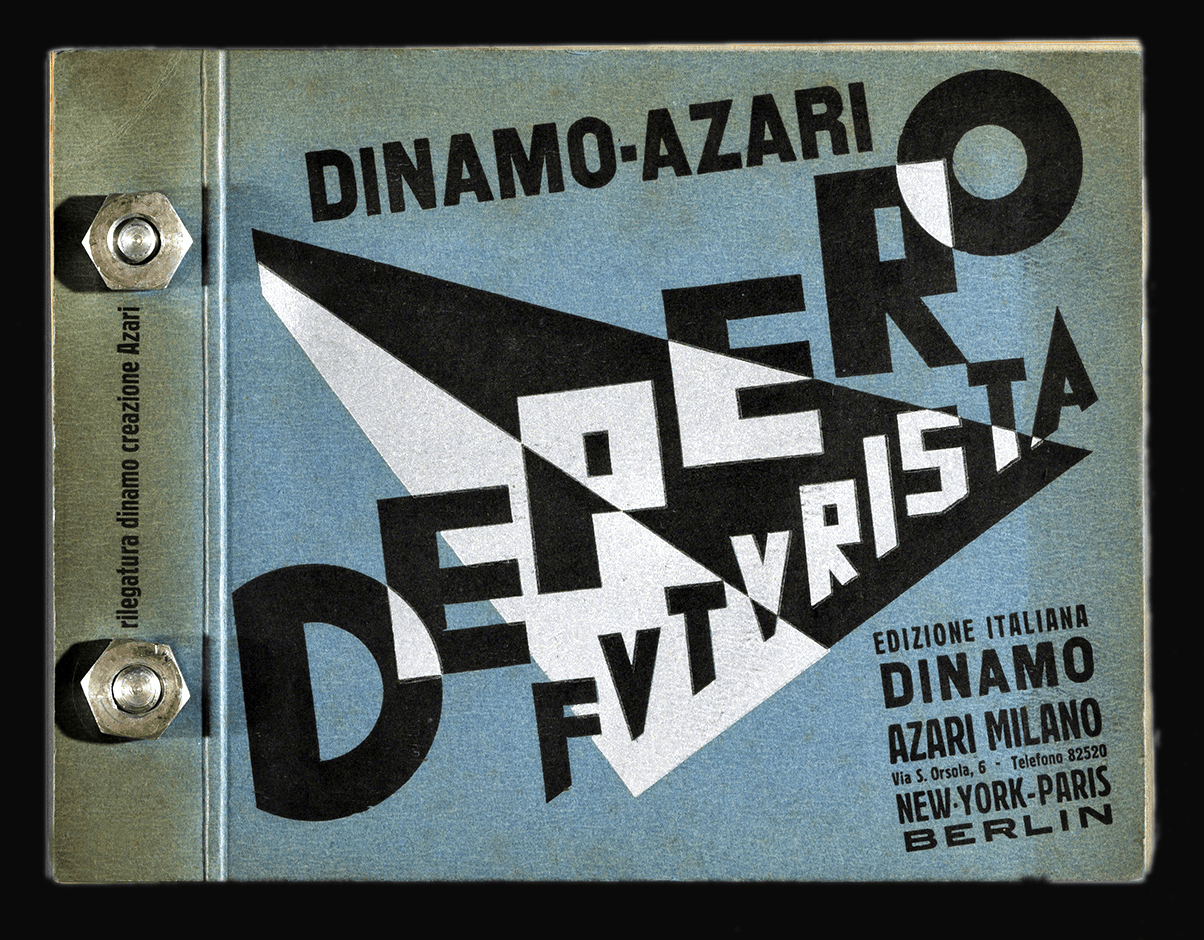
The Bolted Book Project grew out of my research and teaching in graphic design history and my interest in using history as a starting point for contemporary design.
Students begin with Italian Futurism and Fortunato Depero, whose work crossed art, typography, publishing, advertising, product design and self-promotion. His 1927 Depero Futurista—the Bolted Book—was a book, portfolio, business card, promotional piece and portable exhibition.
Depero understood the importance of presenting and promoting his own work long before the digital portfolio and social media. His commercial work makes that connection even more tangible. His long relationship with Campari crossed advertising, graphics and product design, and his distinctive Campari Soda bottle, designed in 1932, remains part of the brand today.
The goal is not to imitate Depero’s style. Students look at how he thought and worked across disciplines and media, and then ask:
What can we take from this radical piece of design history and make our own today?
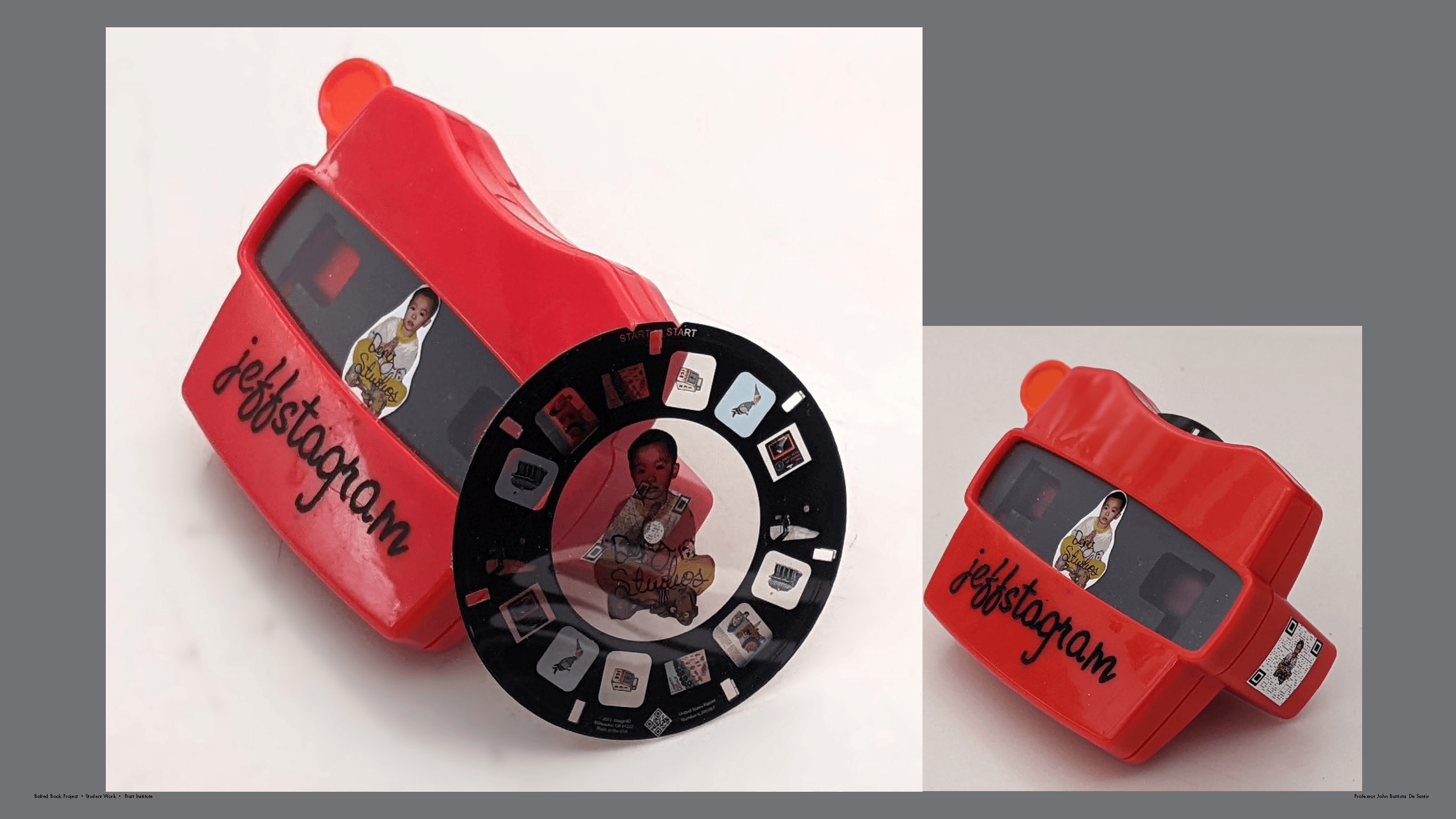
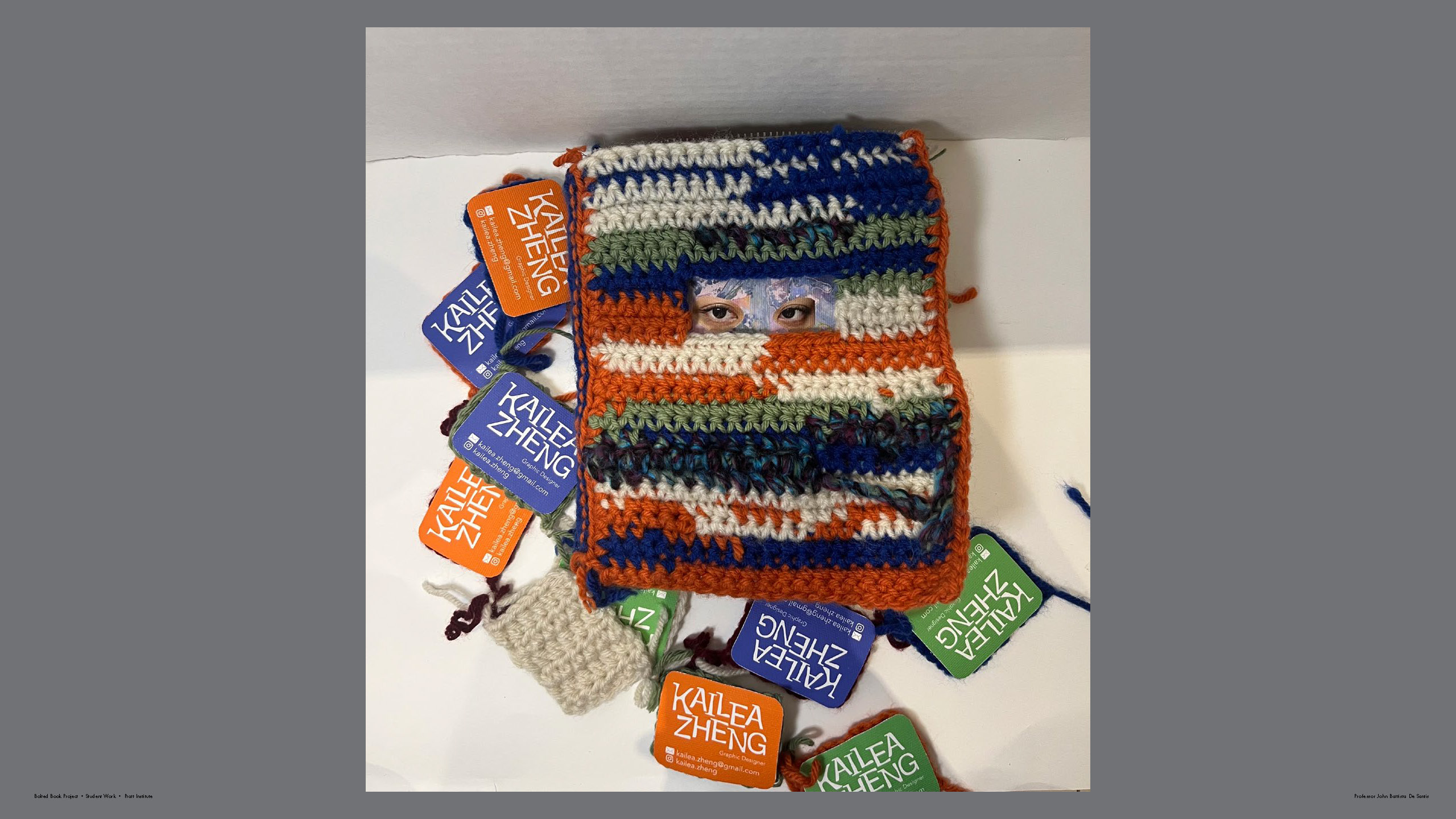
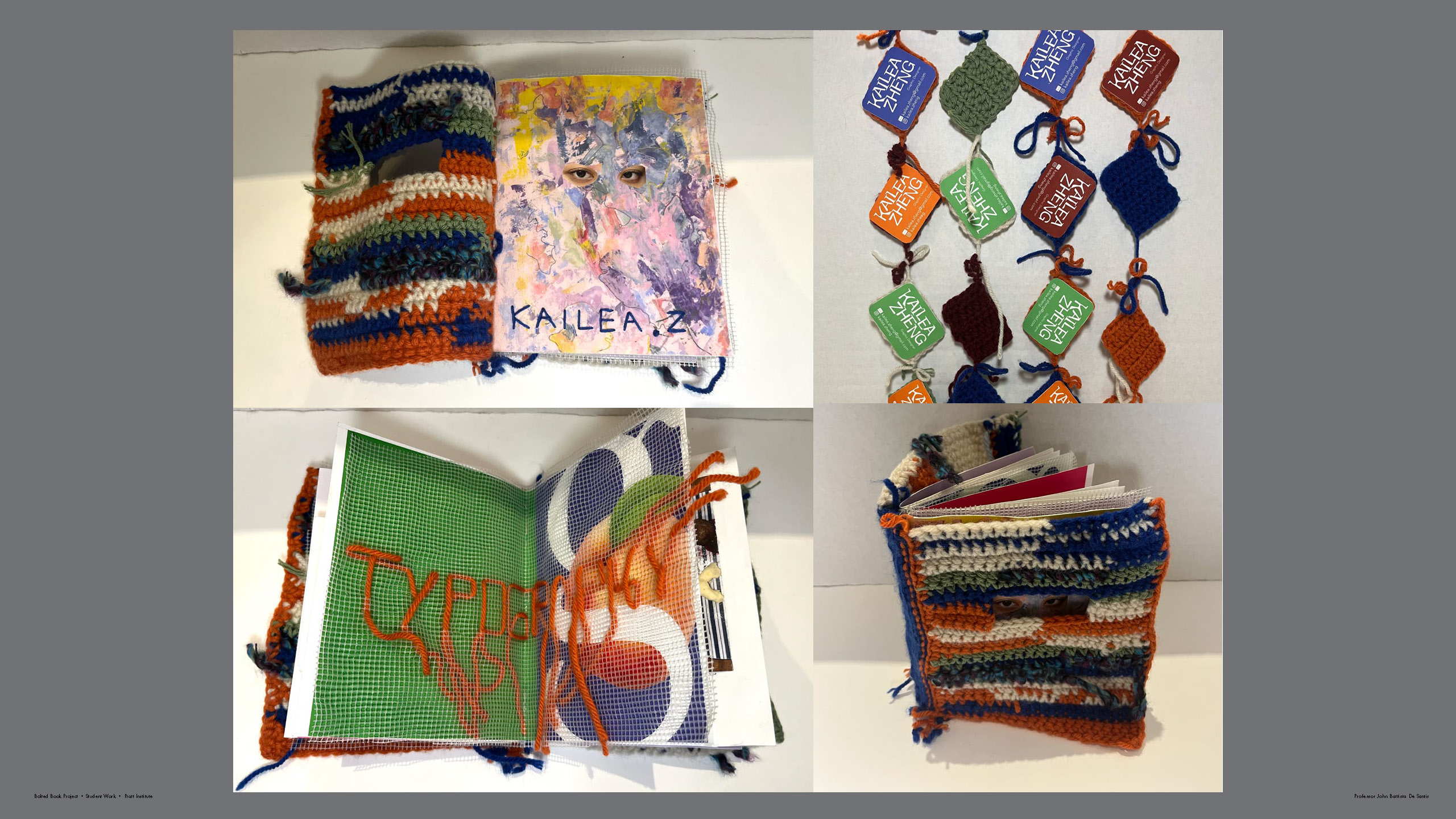
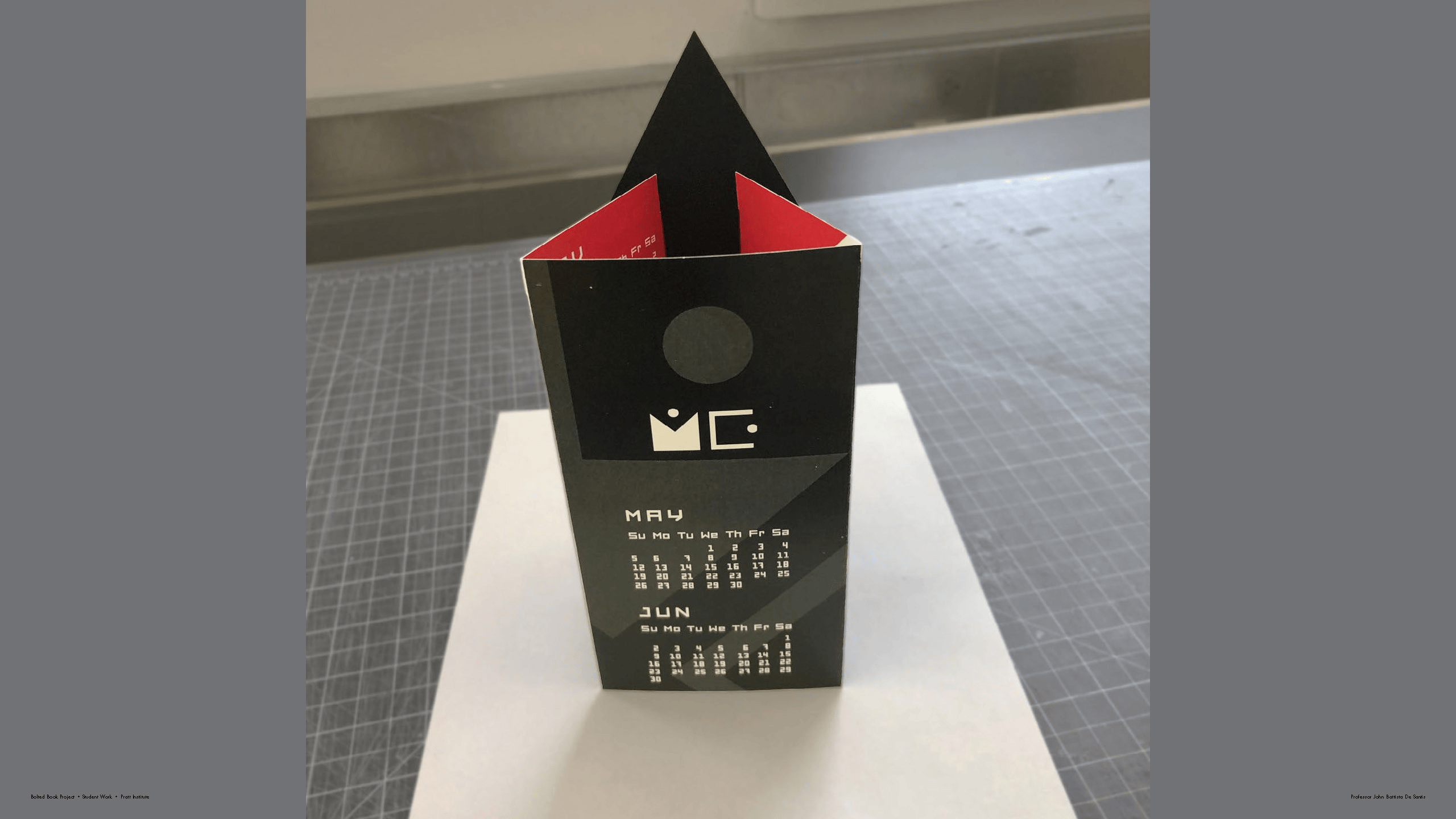
Selected Student Bolted Books
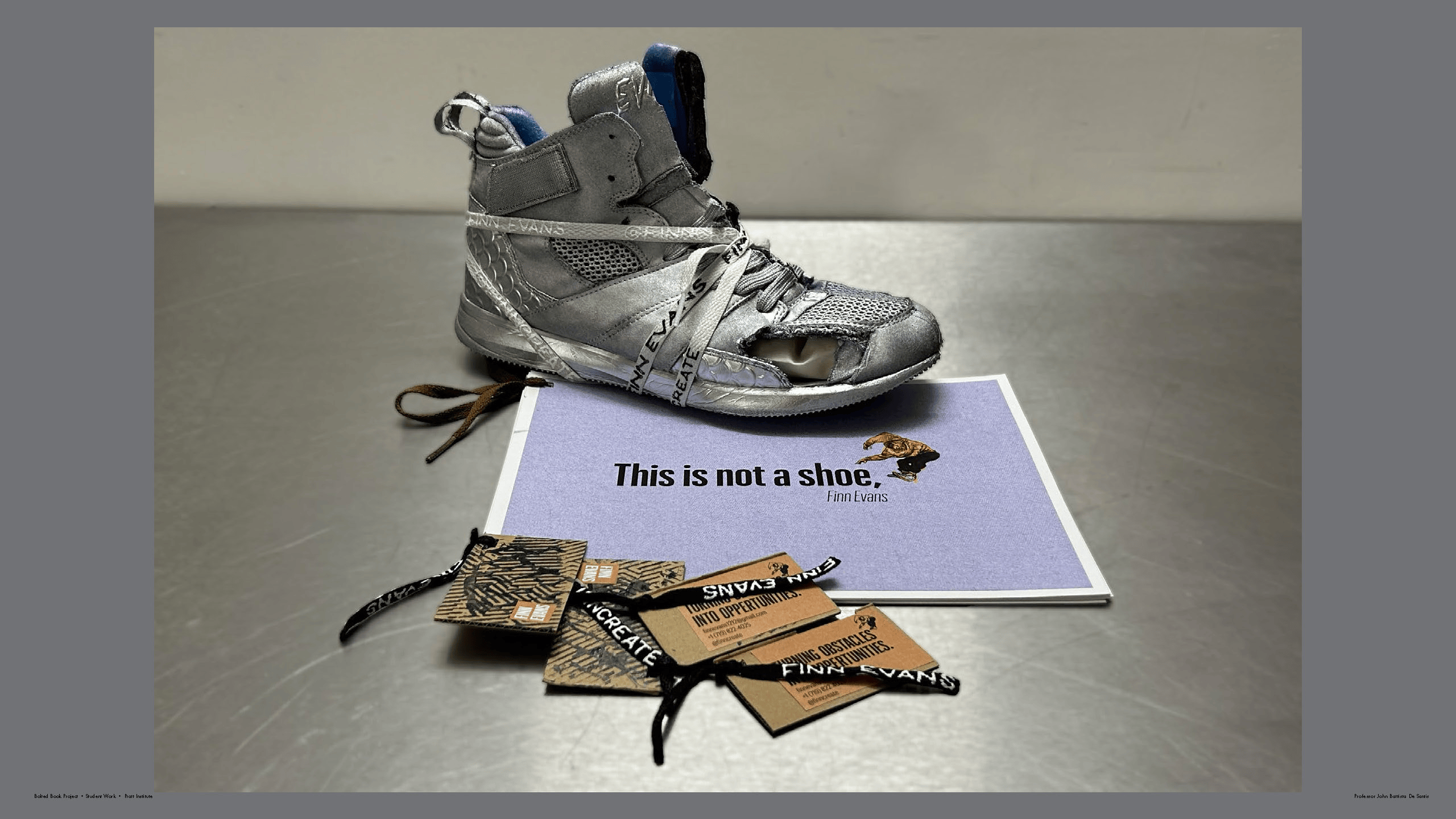
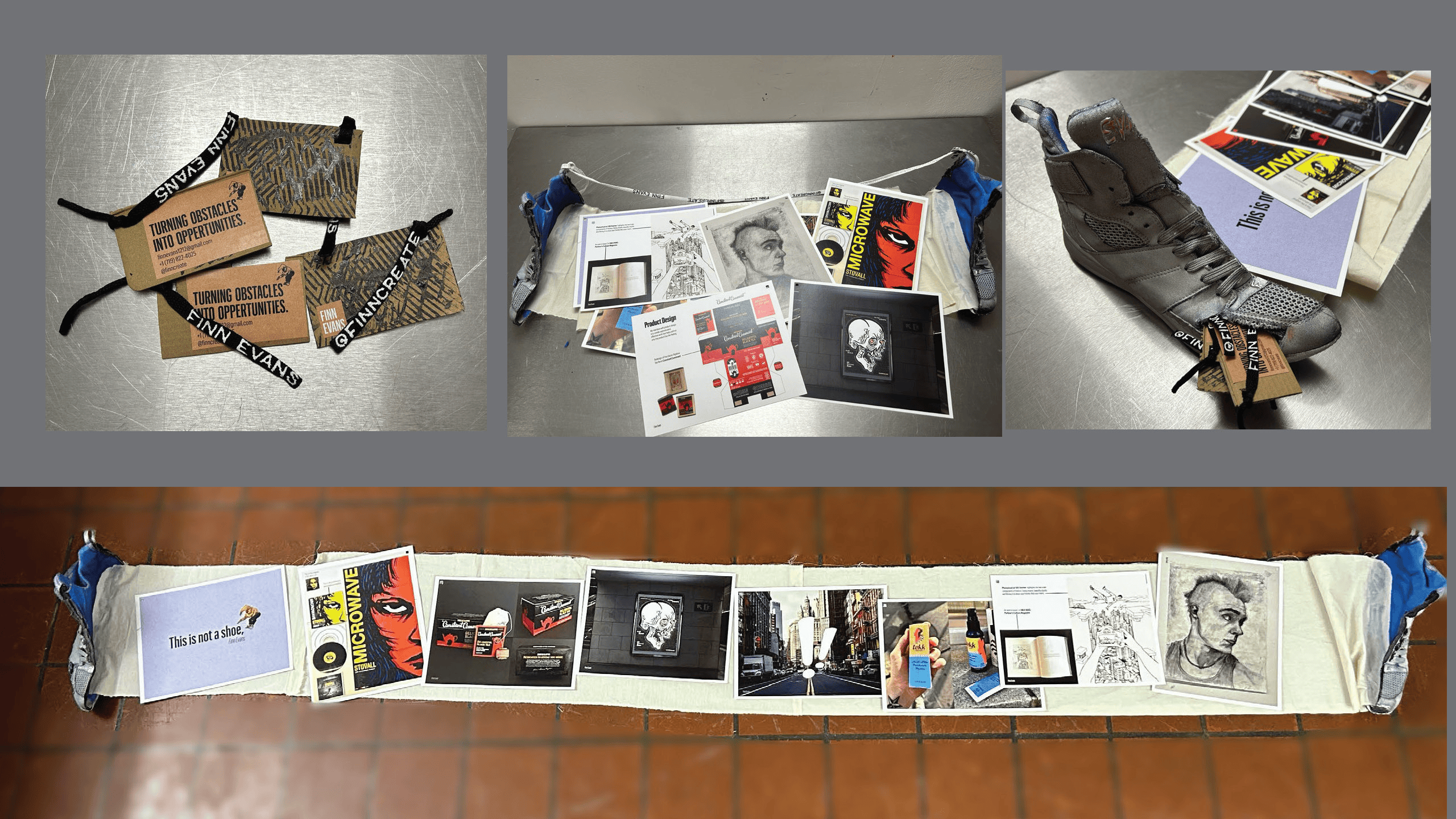
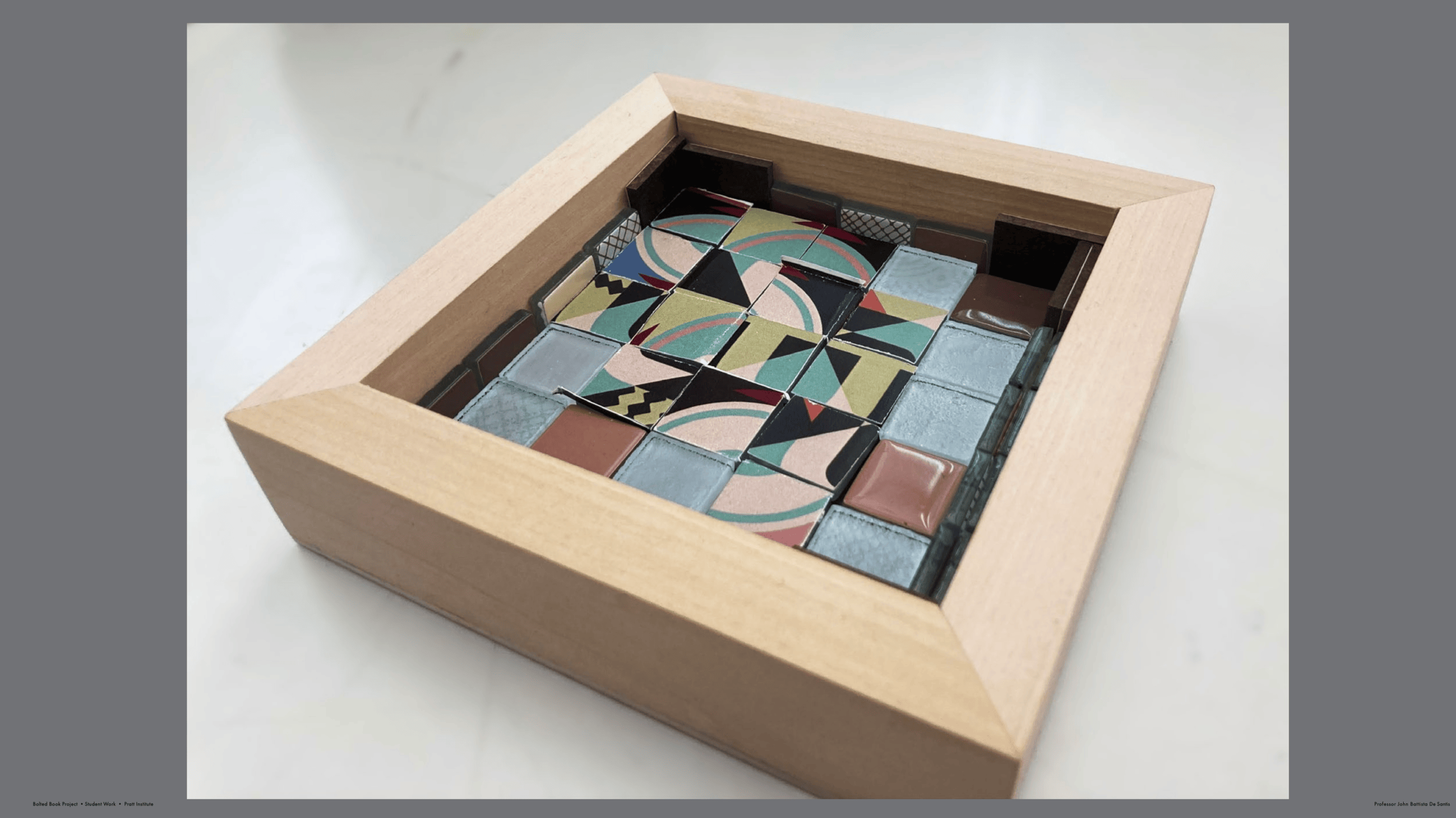
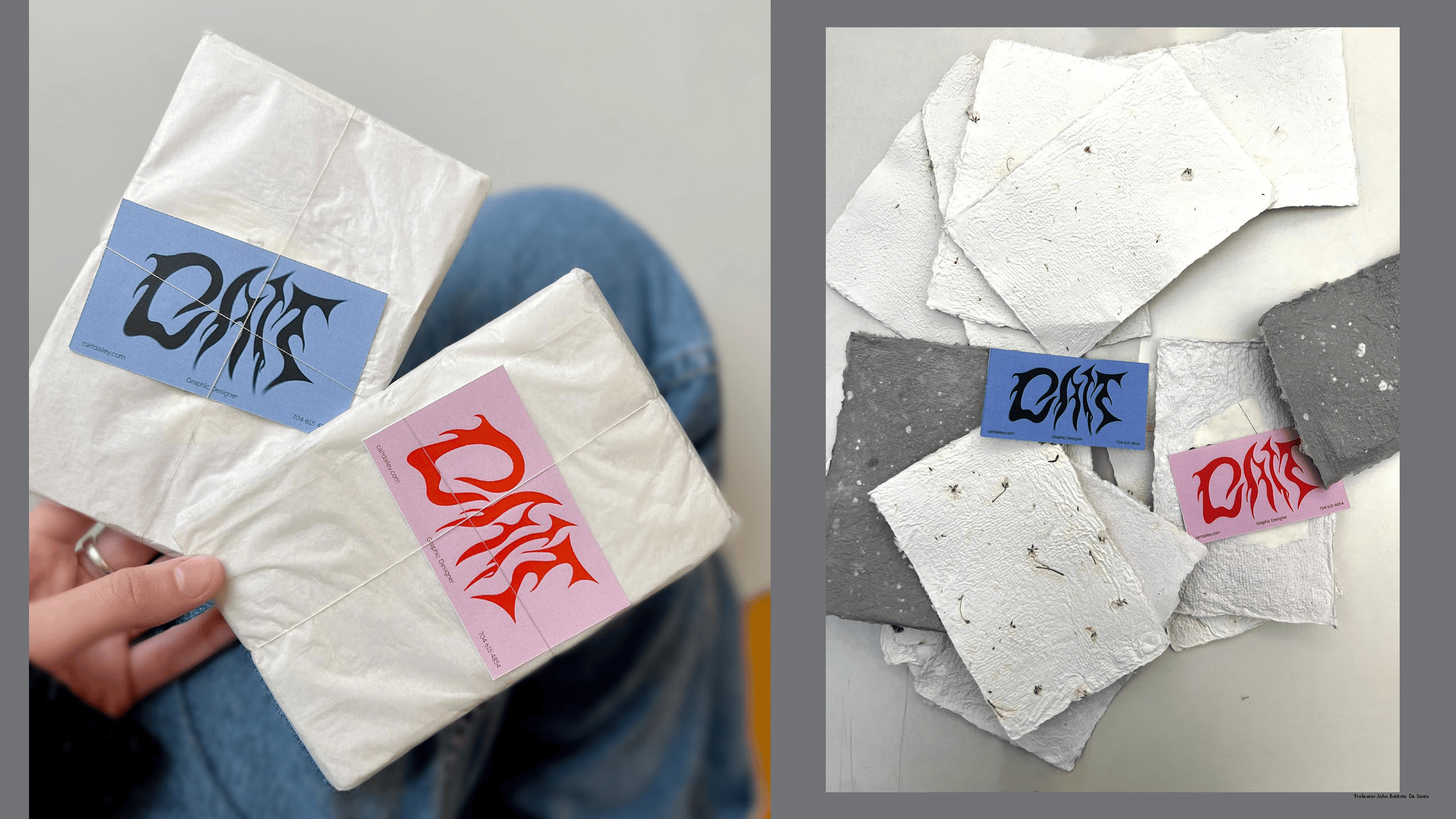
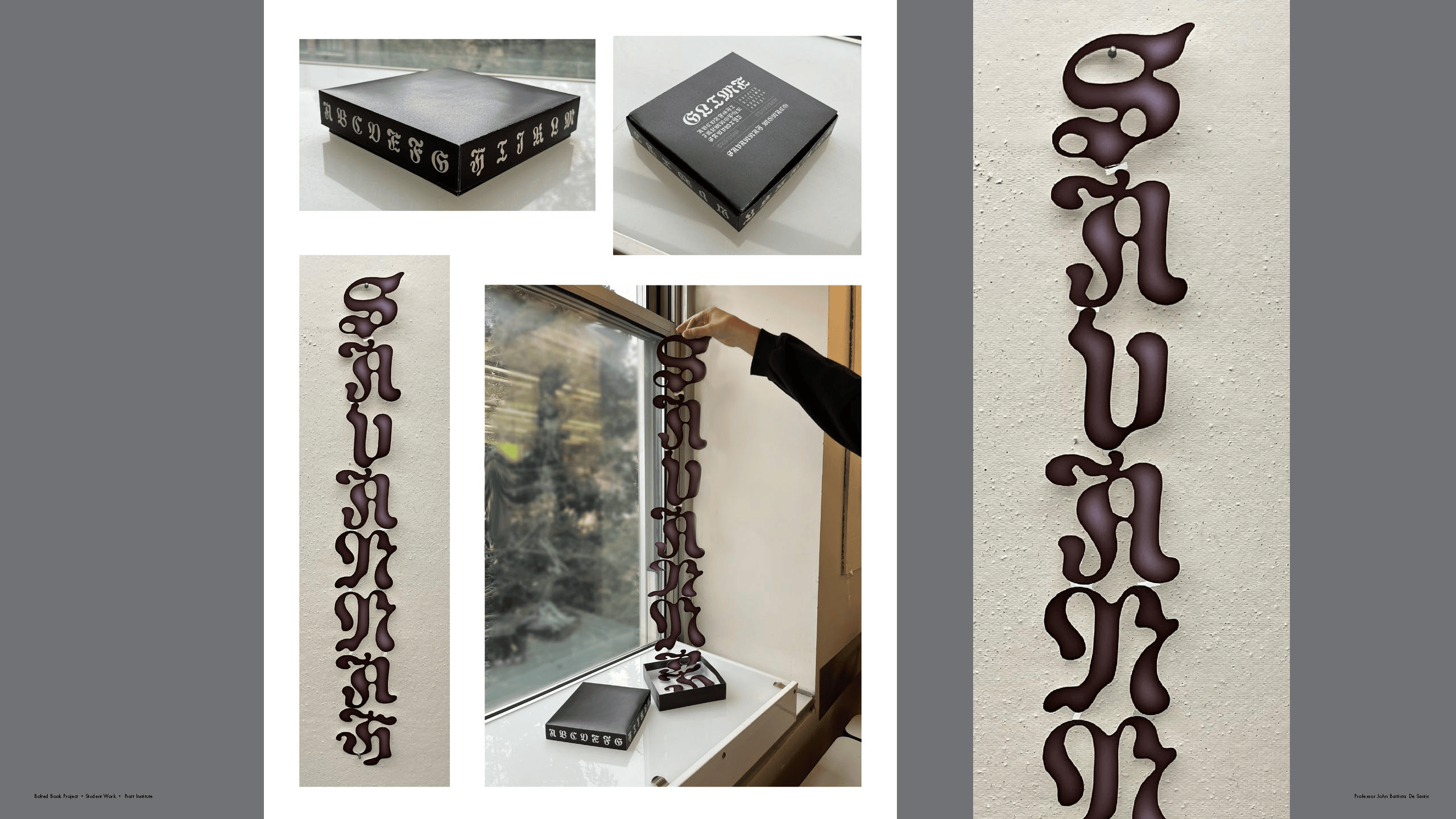
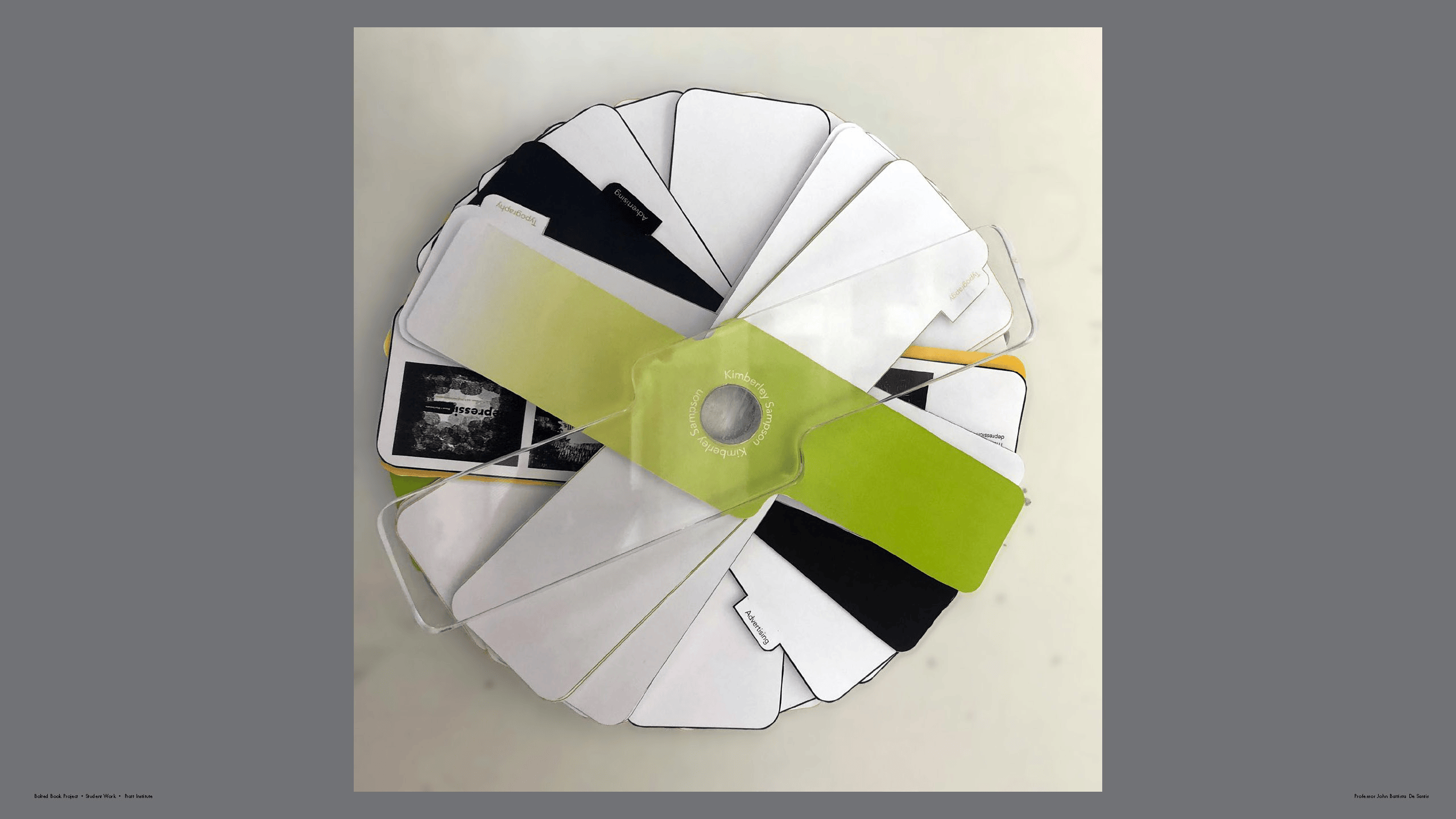
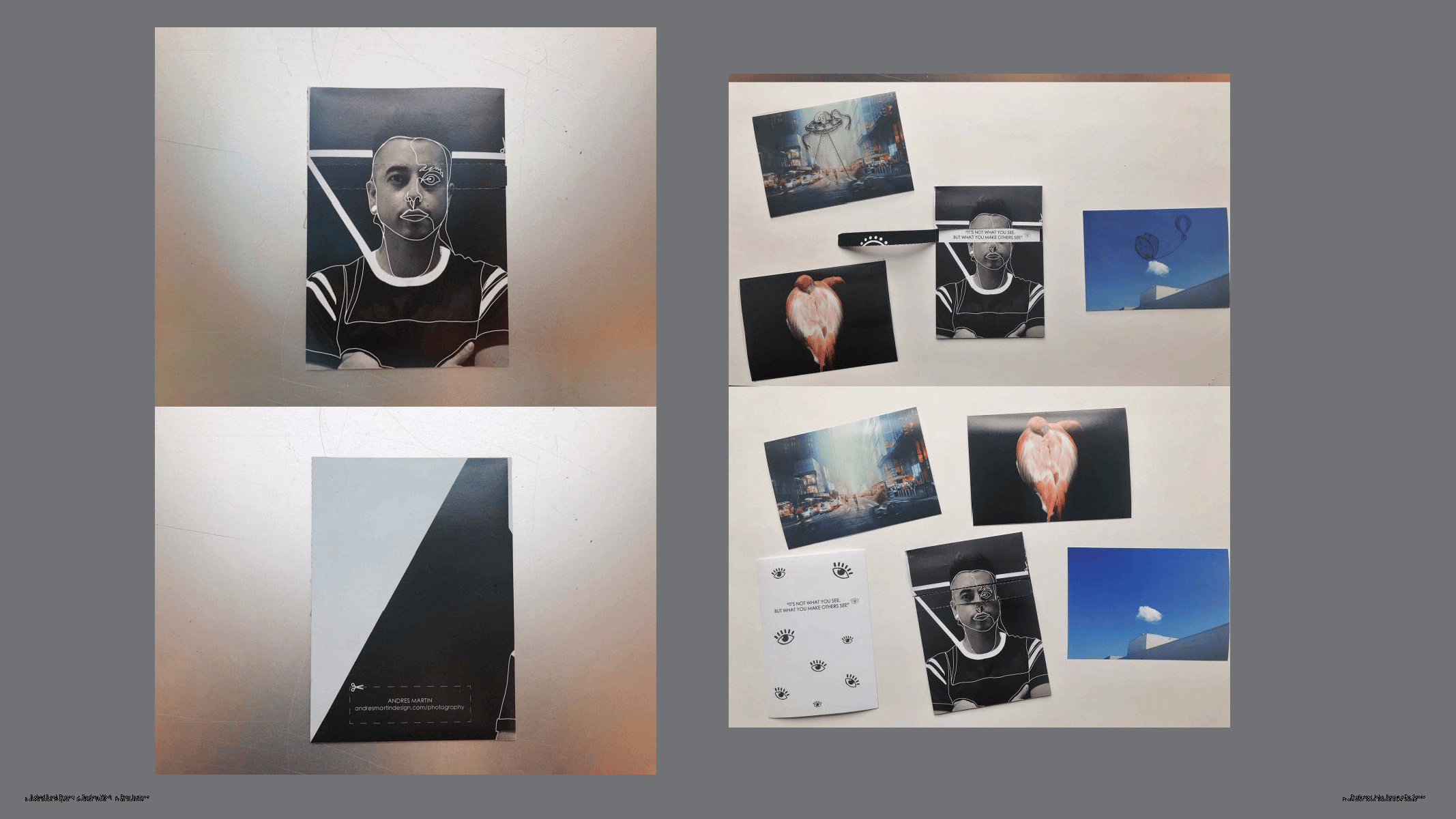
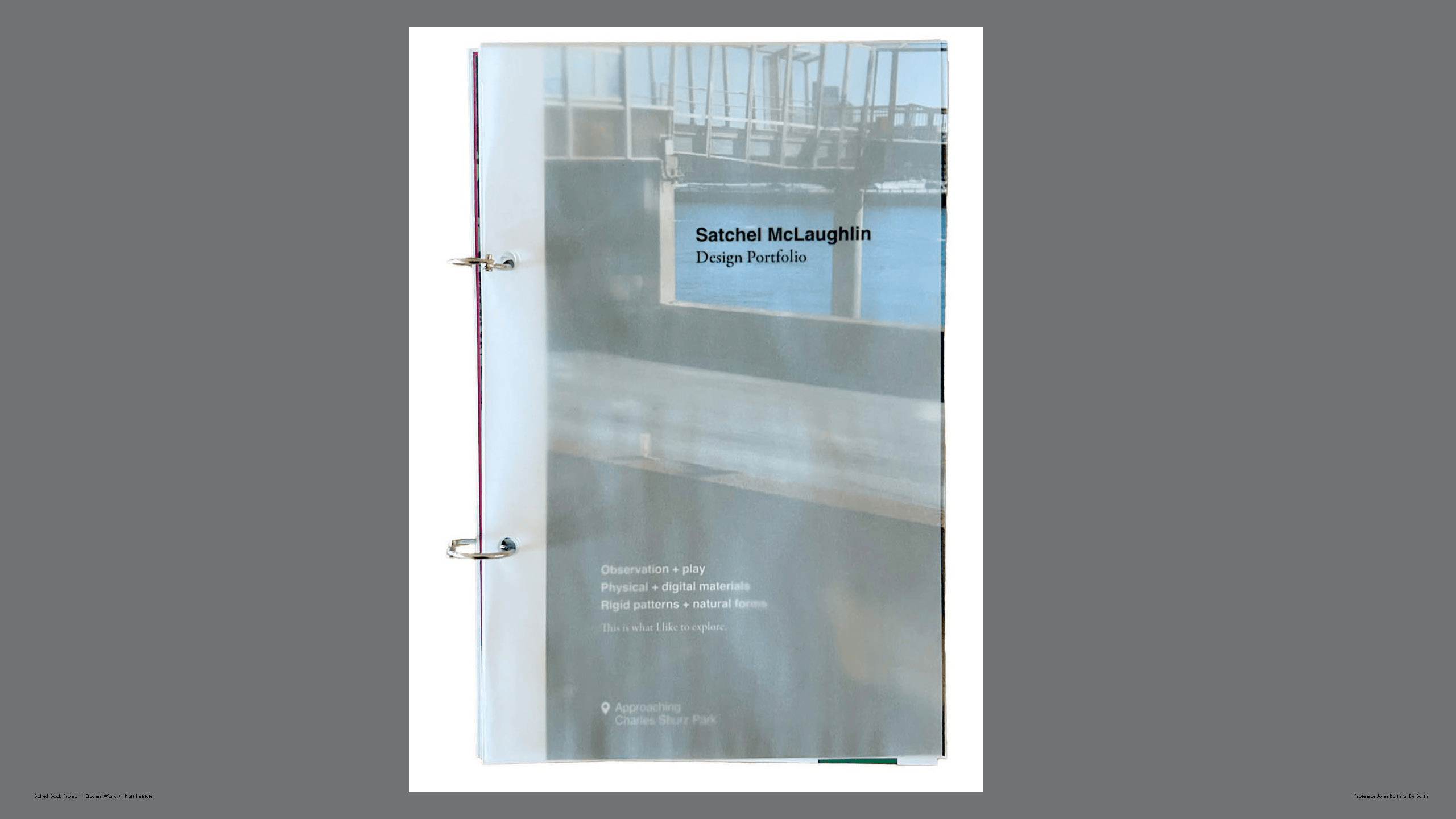
Everyone begins with the same historical reference, but the results are completely individual. Students have turned the idea of the Bolted Book into textiles, found objects, unconventional publications, packages and sculptural forms.

Research Beyond the Screen
Students study Depero, Italian Futurism, experimental typography and artist books through lectures, discussion and independent research.
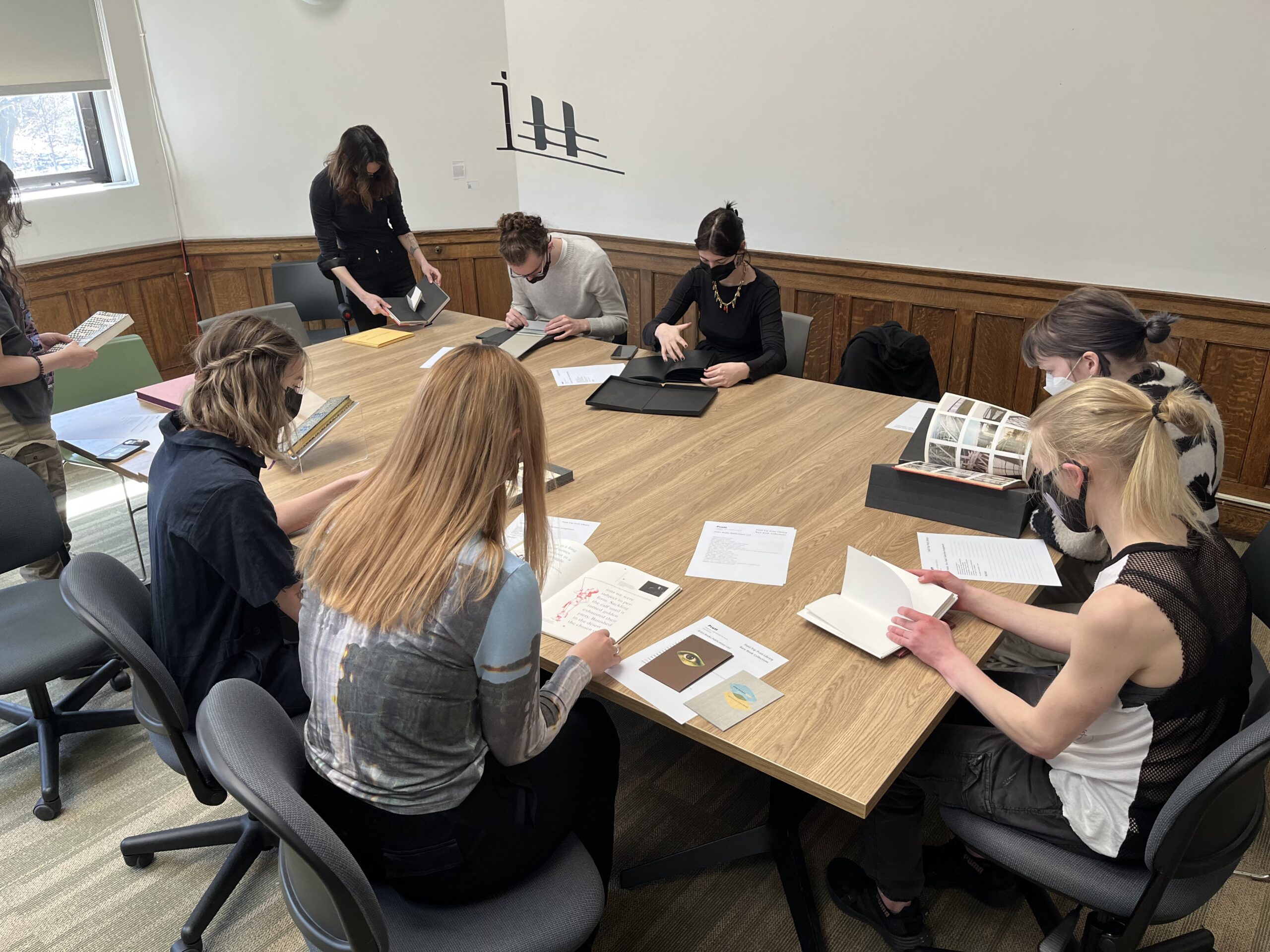
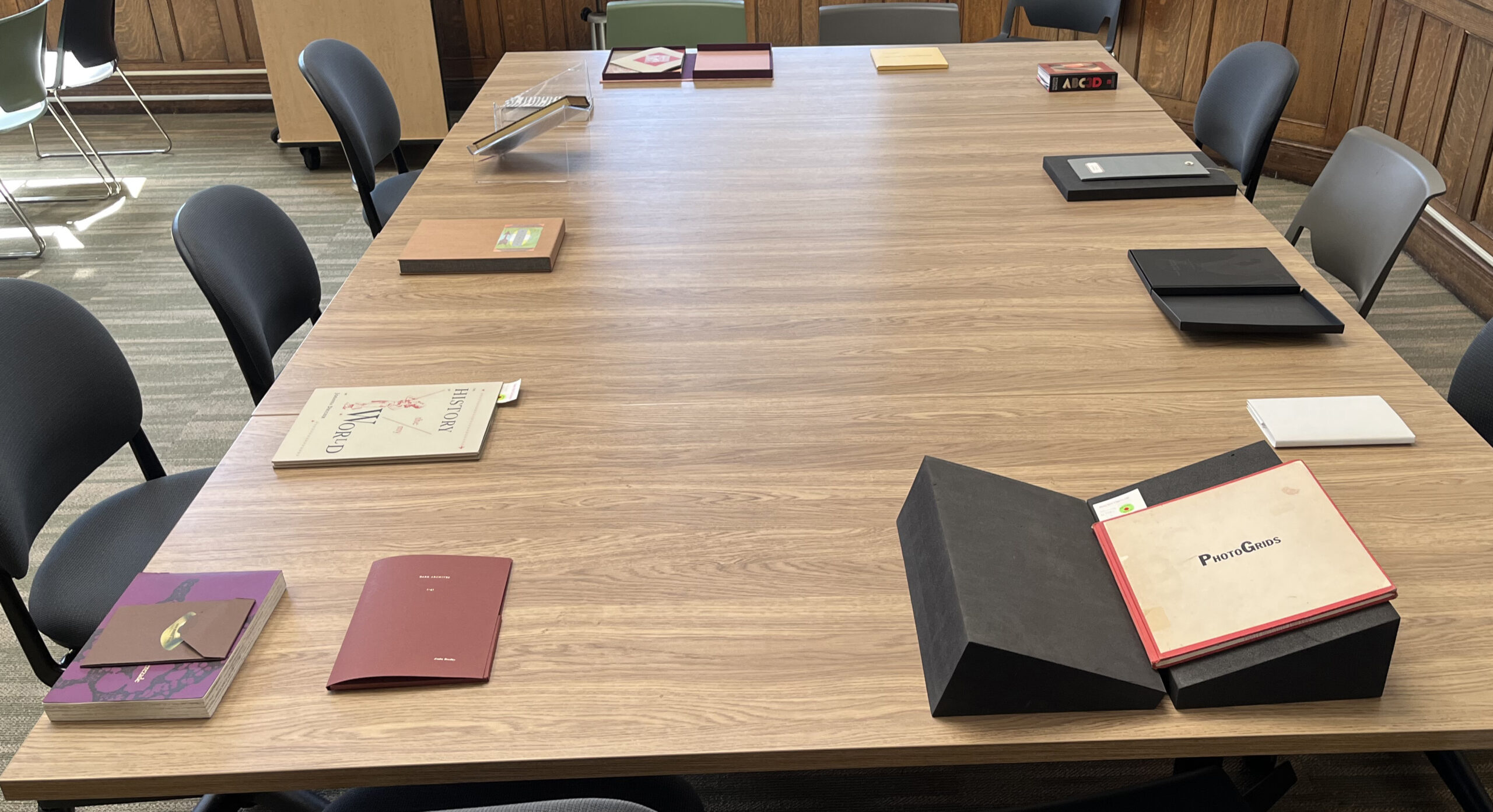
Pratt Library Special Collections
Students work directly with the 2017 facsimile edition of Depero Futurista alongside artist books and other materials from the collection. They study typography, page layout, sequencing, binding, materials and format, documenting ideas that can inform their own work.
Looking at a reproduction on a screen is very different from handling a book and understanding its actual scale, materials and construction.
Making the Research Active
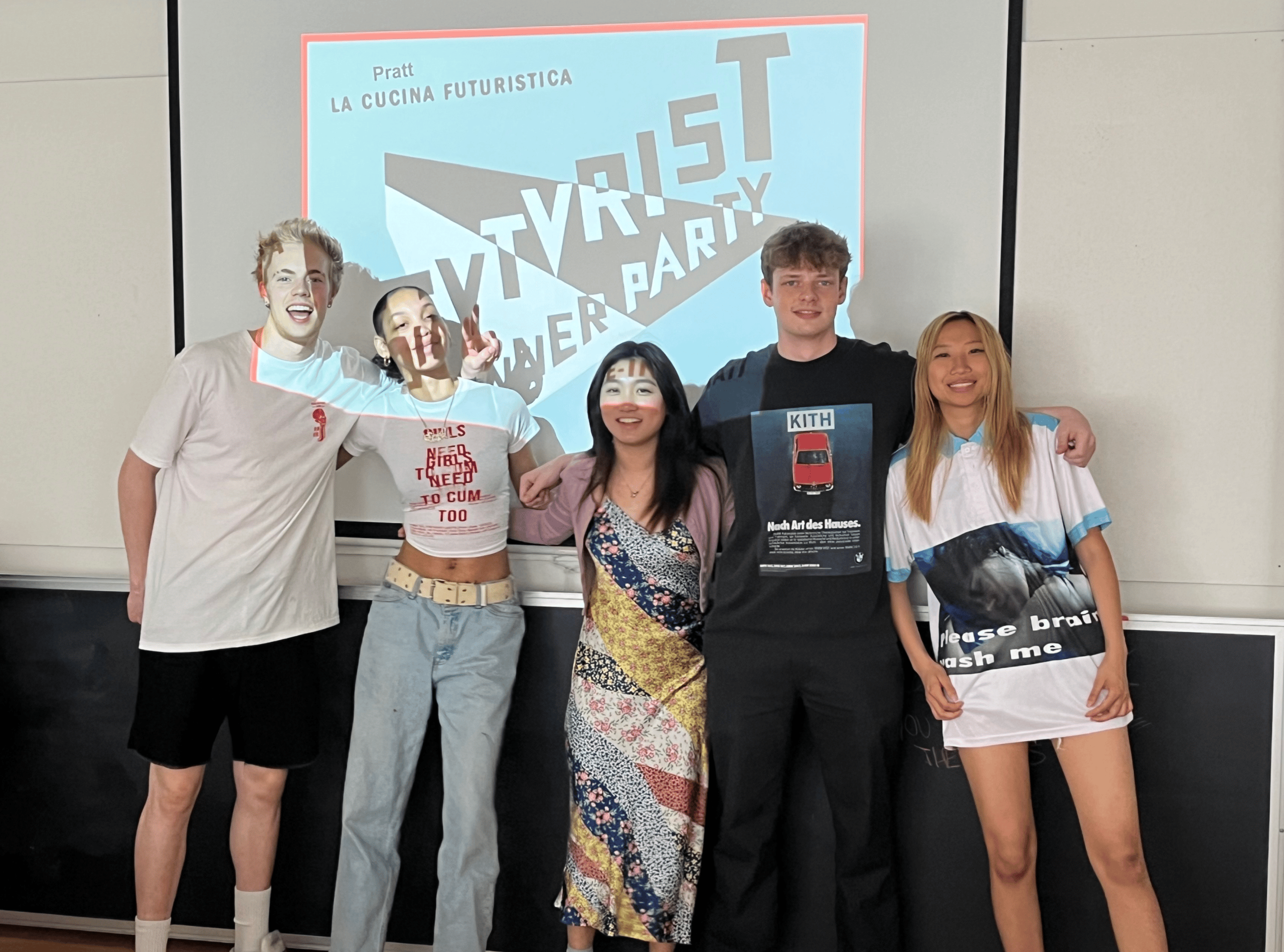
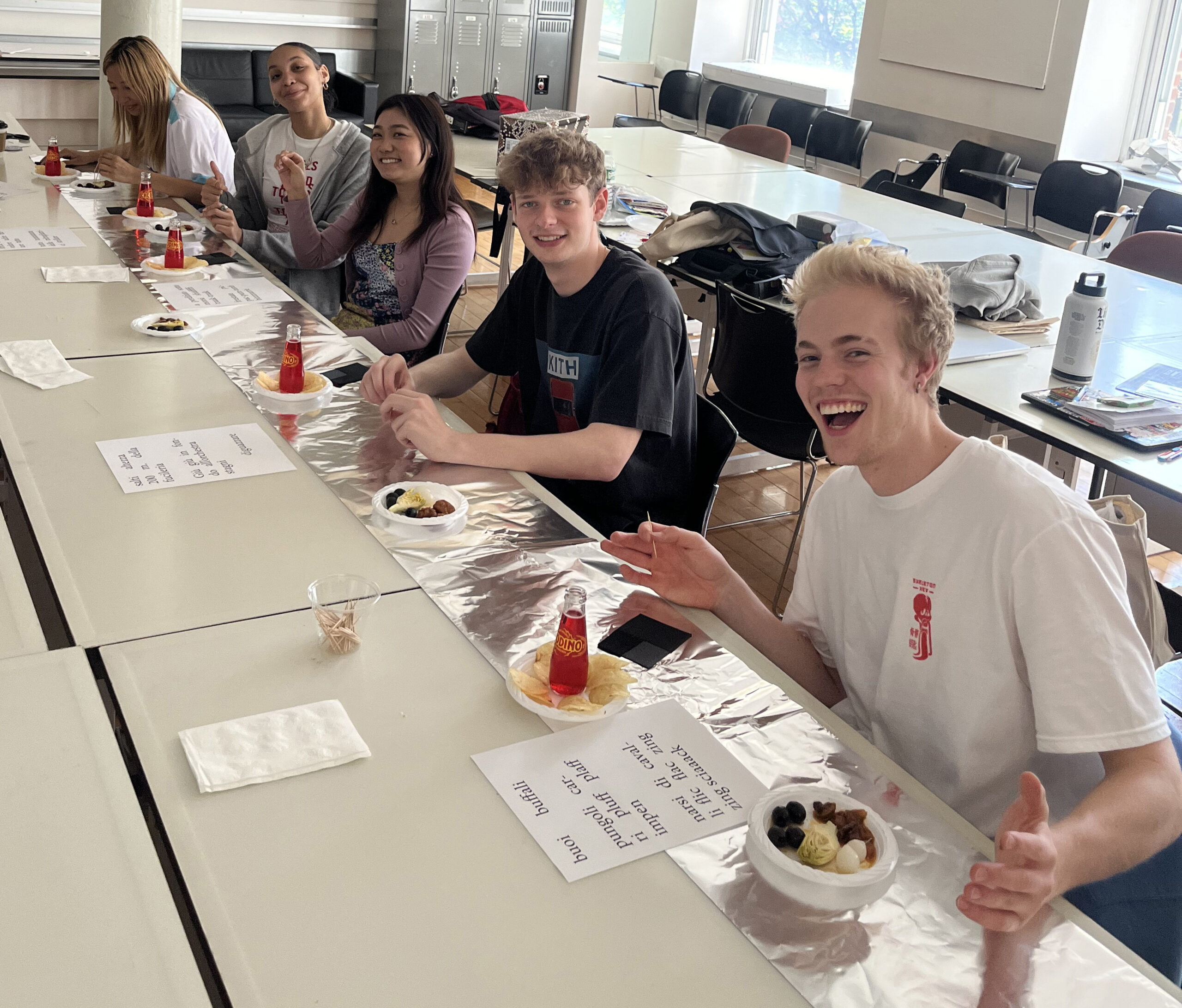
The historical research continues in the classroom. One example is our Futurist Dinner Party, which gives students another way into the ideas and experimental spirit surrounding Futurism and Depero.
The point is to get design history off the lecture screen and into the process of making.
Research → observation → experimentation → sketches → prototypes → production
Reimagining the Bolted Book
The challenge for students is to take the ideas that made Depero’s book radical in 1927—its industrial binding, unconventional typography, sequencing, materials, physical construction and refusal to behave like a traditional book—and decide what those ideas can mean in their own work today.
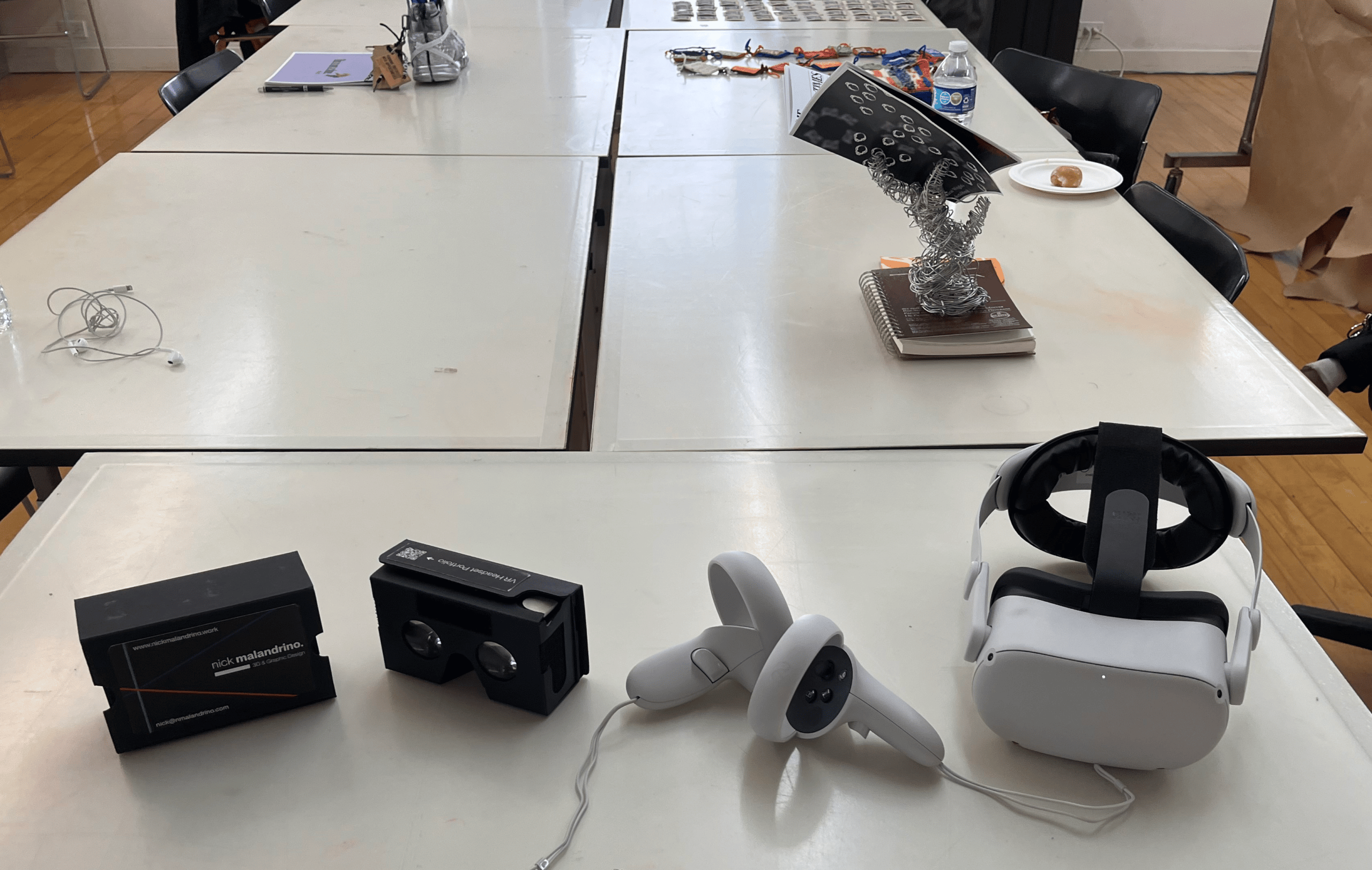
There is no prescribed format. A Bolted Book might become a textile object, a shoe, a package, a transparent publication, a sculptural form or something that no longer looks like a book at all. The form has to grow out of the student’s concept rather than from a template.
Sketching and prototyping are central to that process. Students test materials, binding methods, scale, typography, sequence and interaction, learning that the physical construction of the object is part of the graphic design—not simply a container for it.
The Designer as Self-Promoter
Depero did not separate his art from the way he presented himself to the world. Depero Futurista was designed as much to promote Depero as it was to document his work. It brought together his typography, advertising, paintings, theater, product design and experiments into a single object that showed the range of his practice.
That idea feels remarkably current. Designers today are expected to do more than make good work—they have to communicate who they are, what they do and what makes their point of view distinct. Portfolios, websites, social media and personal branding have become part of professional practice.
The Bolted Book gives students a historical model for thinking about that problem. Rather than simply assembling finished assignments, they create an object that presents their work, interests and identity as a designer.
How do you design something that represents you?
Beyond the Classroom
Students can use their Bolted Book as part of their portfolio and professional presentation, including Pratt Shows, portfolio reviews, interviews and other opportunities connected to their individual career goals.
A radical piece of graphic design from 1927 becomes the starting point for students thinking about how they want to present themselves as designers today.